
Title
Rendering Imagination into Perfect 4K Video and Sound: An In-Depth Review of Google Veo 3.1
Introduction
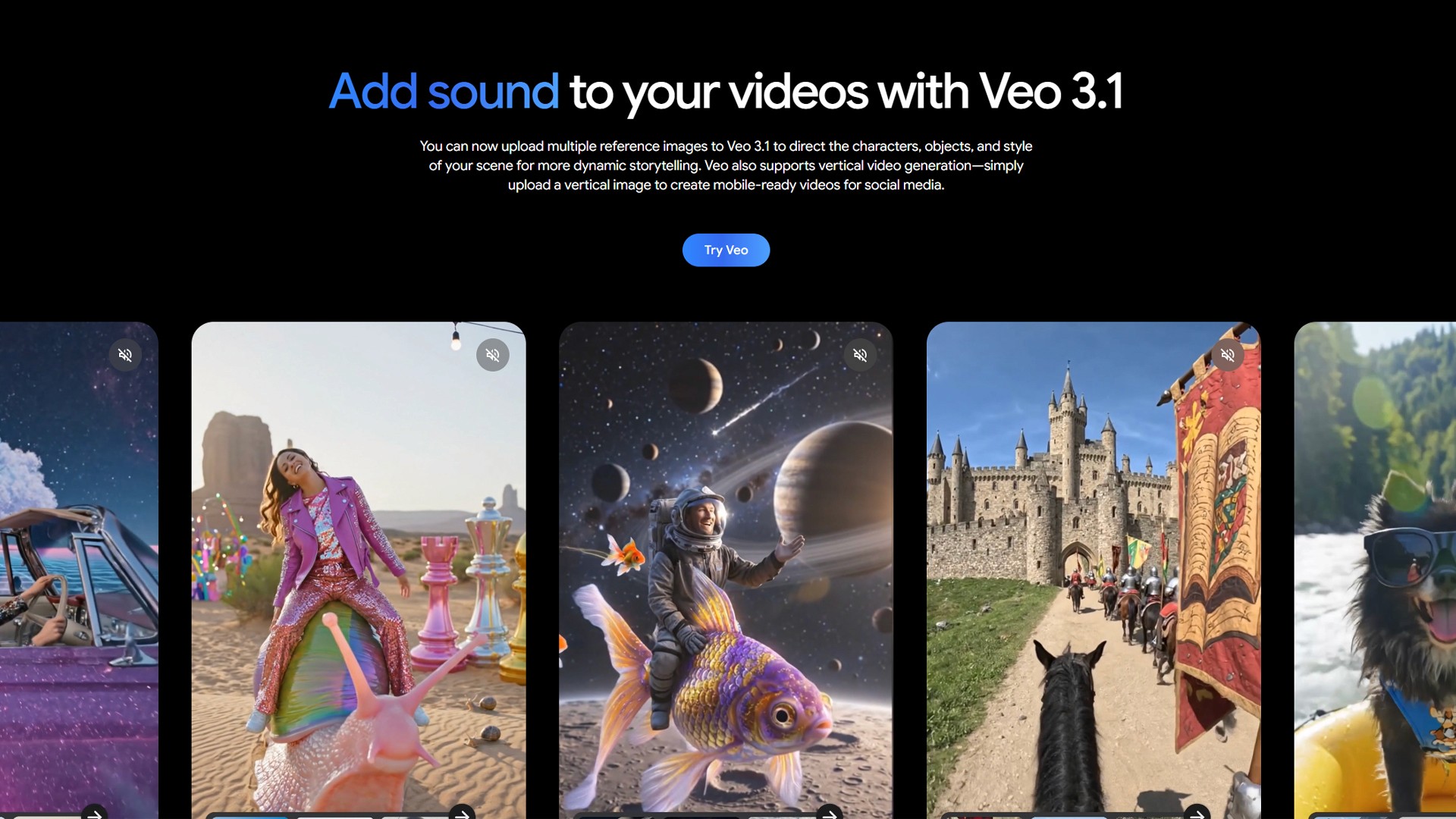
On January 13, 2026, Google DeepMind officially launched 'Veo 3.1', setting a new standard for professional-grade AI video generation. While past video generation AI was limited to creating short, unstable 5-second clips that defied the laws of physics, Veo 3.1 is driving a fundamental change in the video production industry by incorporating 4K resolution upscaling, native 9:16 vertical video support, and perfectly synchronized native audio generation. This tool, which combines text prompts and static images to direct cinematic scenes, has established itself as an essential solution for marketers, creators, and video professionals, and was fully integrated into YouTube Shorts and Google's professional studio platform, Flow, upon launch.
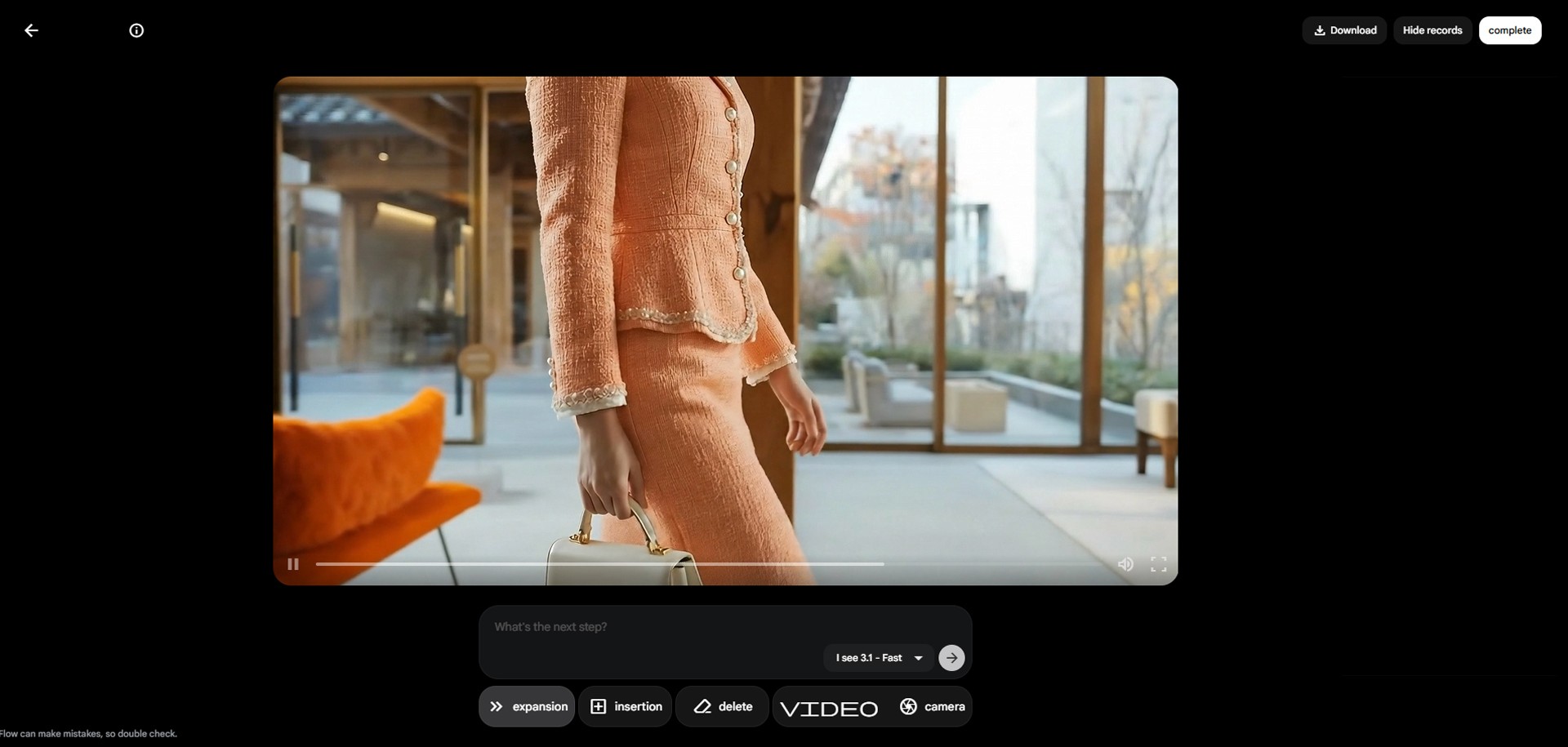
Google Veo 3.1 is a cutting-edge generative model that goes beyond simple resolution expansion to perfectly control the physical texture and audio of a video. The design philosophy of this model is strictly tailored to 'enhancing the control of practical creators.

First is its overwhelming high-resolution processing and native vertical format support. Veo 3.1 abandons the simple interpolation method of multiplying pixels and introduces state-of-the-art 4K upscaling technology, where the AI infers and reconstructs the physical characteristics of the real world, such as skin texture, fabric weaves, and the subtle trembling of leaves. It fully supports 4K and 1080p resolutions that are flawless even for theatrical screening, and specifically, keeping pace with the mobile-first era, it officially adopted native 9:16 vertical video output. This fundamentally solves the subject deviation and quality degradation problems that previously occurred when forcibly cropping horizontal videos, providing a perfect full-screen canvas for TikTok or YouTube Shorts creators.
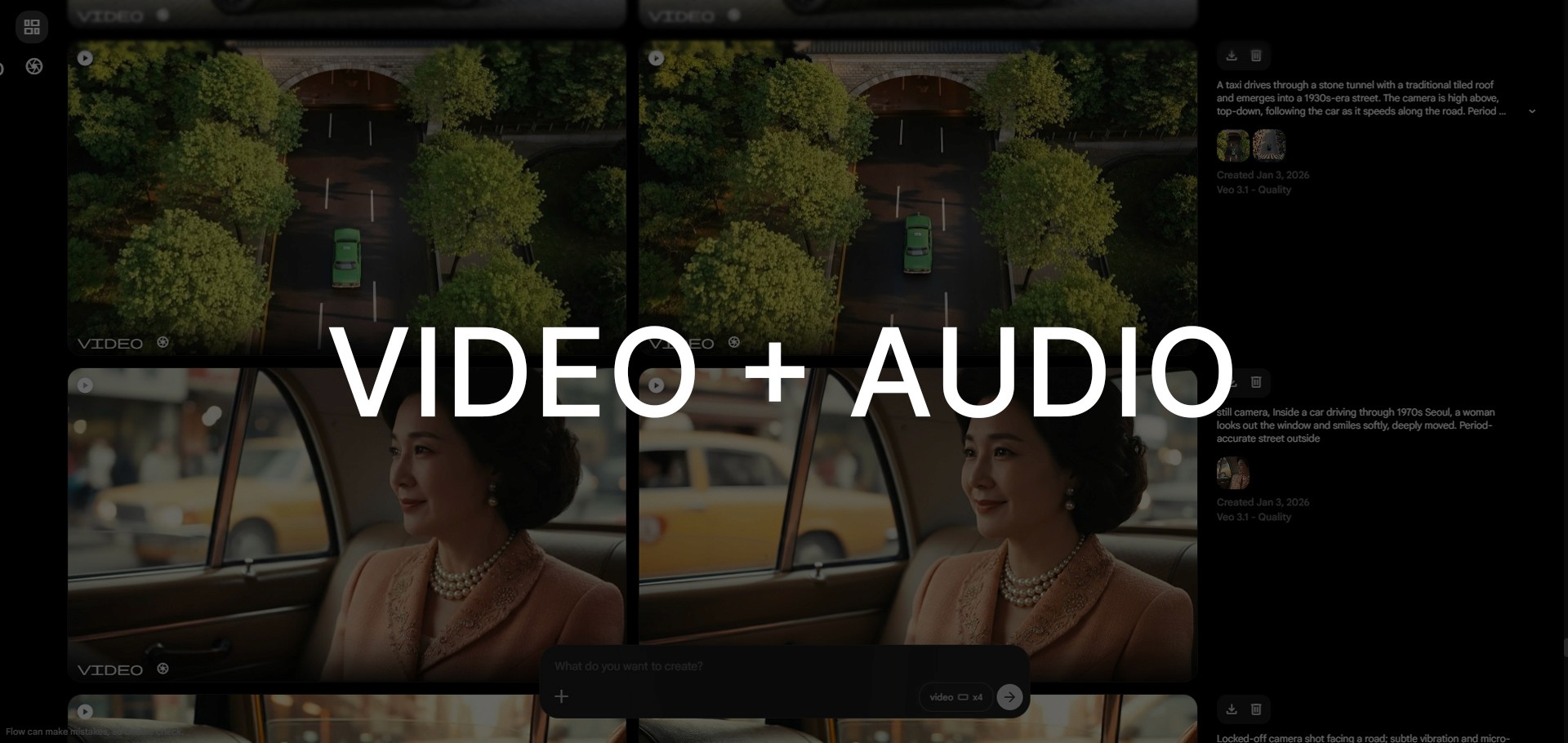
Second is the innovative combination of video and native audio. Google launched Veo 3.1 with the slogan, "Video, meet audio." While existing generative AI models remained stuck at generating silent visual frames and required separate tools for sound, Veo 3.1 grasps the context embedded in the prompt and automatically generates native audio perfectly synchronized with the video. For example, if a scene of an owl flying is generated, the sound of flapping wings and the ambient noise of a night forest are automatically rendered, and in scenes featuring people, conversational audio matched to the character's movements and lip shapes is also output.

Third is the 'Ingredients to Video' feature, which guarantees extreme consistency. Users can upload up to 3 static images as 'Ingredients' and synthesize them into a single cohesive video. By inputting portrait photos, specific objects, and background images along with a prompt, the AI generates a dynamic clip while consistently maintaining the identity of these elements. Even when the camera angle changes or transitions to the next scene, the details of the same person, outfit, and background do not break, making short-film-grade storytelling with complex narratives possible. Google officially recommends using its latest image model, 'Nano Banana Pro (Gemini 3 Pro Image),' beforehand to generate the best ingredient images. This model provides precise text rendering and world-class studio-grade control to create perfect original sources.
Veo 3.1 Core Specs & Features | Detailed Technical Specs | Access Platforms |
|---|---|---|
Resolution & Aspect Ratio | 4K and 1080p AI upscaling, native 16:9 and 9:16 (portrait) ratio support | Flow studio, Gemini API, Vertex AI |
Audio Integration Engine | Physics-based native audio (ambient sounds, sound effects, voice sync) | Supported across all platforms equipped with Veo 3.1 |
Ingredients to Video | Synthesizes up to 3 image assets, perfectly maintains character & background consistency across scenes | YouTube Shorts, YouTube Create app |
Safety & Transparency Regulations | Lossless, tamper-proof 'SynthID' digital watermark automatically embedded | All generated videos within the Google AI ecosystem |
Fourth is ecosystem integration and secure governance management. To prevent unethical AI use and deepfake controversies, Google natively embeds an invisible 'SynthID' digital watermark into all video assets generated by Veo 3.1. This highly advanced watermarking technology can be tracked even after extensive damage, such as arbitrary cropping, adding filters, or forcibly changing the frame rate, transparently proving whether the content is AI-generated.
Professionals can fully control this powerful tool through Google's creative studio platform, 'Flow.' Through the Scenebuilder feature in Flow, users can easily construct continuous narratives of 60 seconds or more by combining multiple clips, and post-edit videos using the object insert/remove tools.5 The Flow platform offers a free tier (50 credits/day) for light users, while the $19.99/month Google AI Pro plan unlocks 1080p upscaling and 1,000 monthly credits, and the top-tier Ultra plan ($124.99 for 3 months) fully unlocks 4K video upscaling.
Review or Expectations
Google Veo 3.1 has dramatically broken down the barrier to entry for 'high-quality visual effects' once monopolized by professional video production companies. The fact that audio and video are perfectly and harmoniously generated in a single environment drastically reduces the physical time of the traditional video pipeline, which used to run from filming to post-production and sound mixing. In the near future, I firmly believe that one-person marketing agencies or individual short-form creators will be able to churn out videos rivaling commercial advertisements of global conglomerates every day, armed with nothing but a laptop and Veo 3.1's cloud rendering, without needing to hire expensive RED cameras or separate sound engineers.